



 Locations
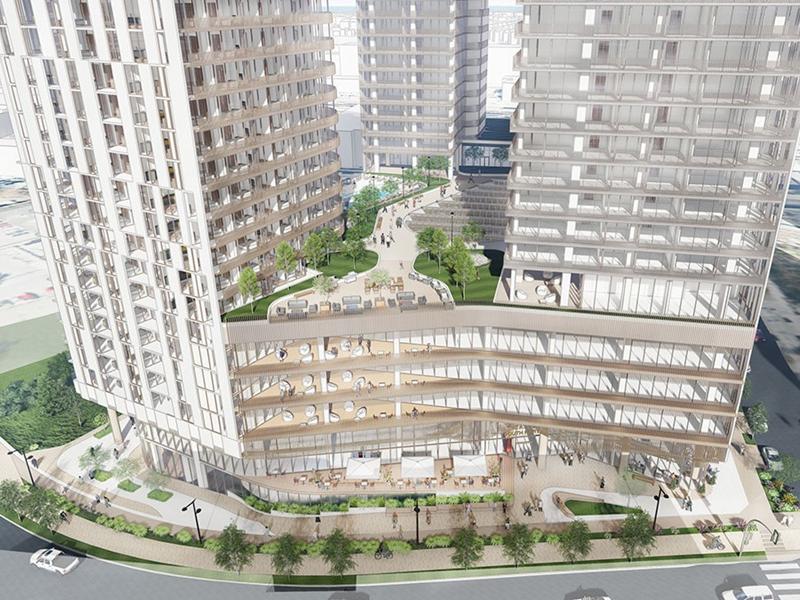
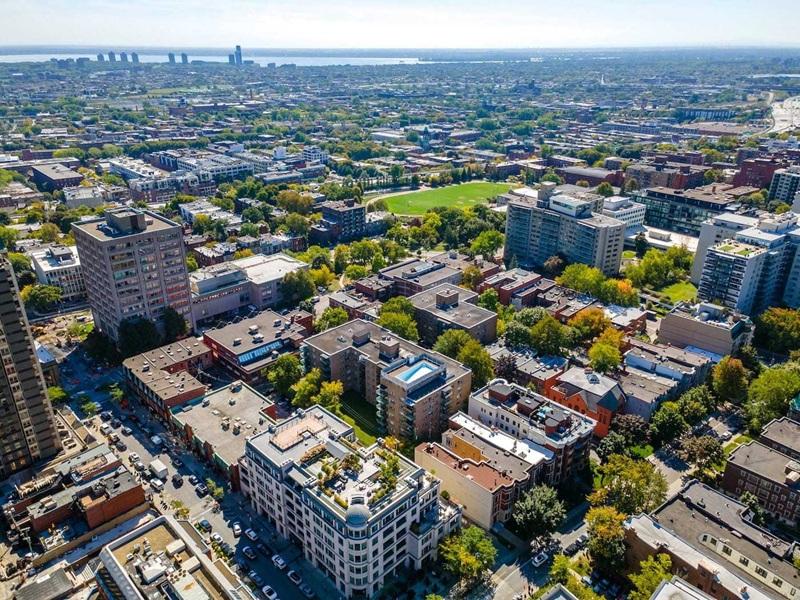





Condominium sales have collapsed, multifamily residential rents have come down and new housing development has slowed.
A recent event at the Toronto offices of public relations firm NKPR brought development, architecture, brokerage and property management experts in front of journalists to talk about various projects and ways to try and kick-start sales, leasing and development in the Greater Toronto and Hamilton Area.
Part I of an overview examining the Greater Toronto Hamilton Area multifamily sector. Part II will be published Tuesday, May 19
Devron Developments president Pouyan Safapour has talked for the past few years about the need to develop condos that are more appealing to end-users rather than trying to sell as many units as possible to investors, and he continued with that theme on May 8.
One project that fits that bill is 1 Marlborough, a 13-storey, 58-unit luxury condo from Devron and Dorsay Development Corp. that will rise above the 1930s-era former Pierce Arrow building in Toronto’s upscale Rosedale neighbourhood. It will launch sales this year with suites from 1,800 to 6,000 square feet.
Gianpiero Pugliese is the principal of Audax, the architect responsible for 1 Marlborough as well as Devron’s 101 Spadina condo that began sales two years ago but for which construction has yet to start. He stressed the importance of good, aspirational design in attracting people to live in buildings.
“If Toronto doesn't get its act together, we're going to lose a lot more talent,” said Pugliese of consultants, tradespeople and others moving to markets with more construction activity. “That's not a good thing for us, it’s not a good thing for the industry or for all of us in the city.”
Desire to move away from condo pre-sales
Safapour also wants changes to how condos are financed and sold in Canada. Banks requiring developers to have pre-sold approximately 70 per cent of units before providing construction financing was fine when sales were humming along, but that cautious approach has contributed to the recent slump.
Delayed multifamily projects can cost developers $50,000 to $500,000 per month in carrying expenses, according to Safapour, costs then passed on to consumers when projects are eventually built.
“Banking requirements are loosening a little bit on pre-sales, but it's not 'go ahead and build it first, and then sell it' like everywhere else in the world,” Safapour said. “You can’t tell banks to stop worrying about risk. That’s their job and it’s for our benefit and it's what they should be doing.
“But we need to have them understand that that’s looking at short-term risk, but it's created larger systemic risk in the long run. If you create a system where the entire condo market isn’t headed in the right direction and it's not as fundamentally sound as it could be, that’s actually a bigger risk to banks and to us.”
The foreign buyer ban
The federal government passed an act in 2022 to ban people who aren’t Canadian citizens or permanent residents from buying residential property in an effort to ensure housing remains available to Canadians. It remains in effect to Jan. 1, 2027.
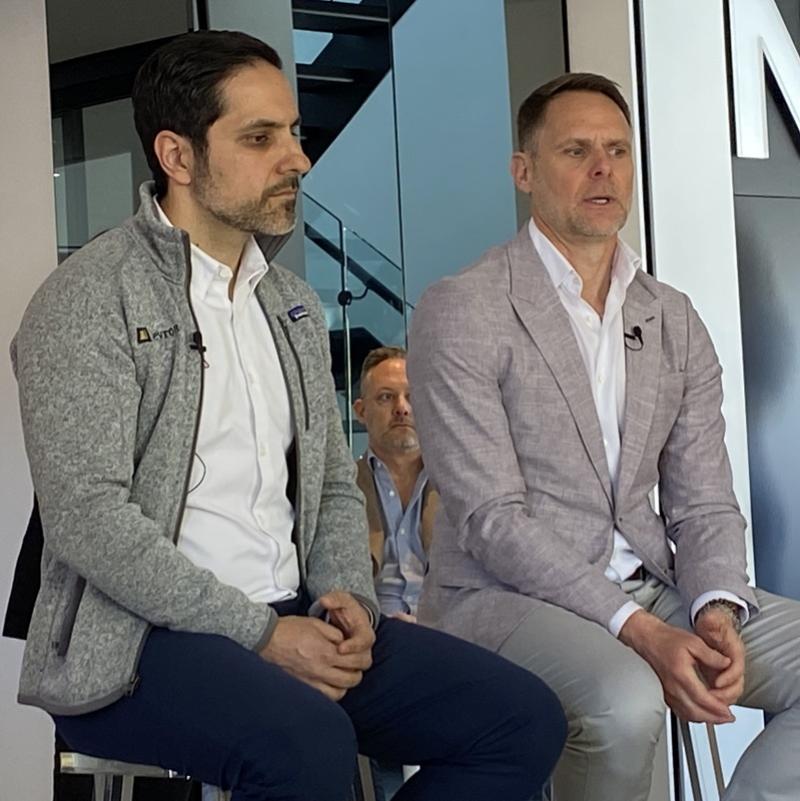
Dorsay vice-president Ian MacLeod said foreign buyers made up just a small portion of condo investors. He believes the policy is too restrictive, eliminating some people who may be contributing to the economy from becoming homeowners.
“If it’s lifted, it won't actually result in a lot more sales happening, but it's a signal that Canada's open for business and not being shut off to the rest of the world,” Safapour added. “That sentiment matters.”
Q Tower
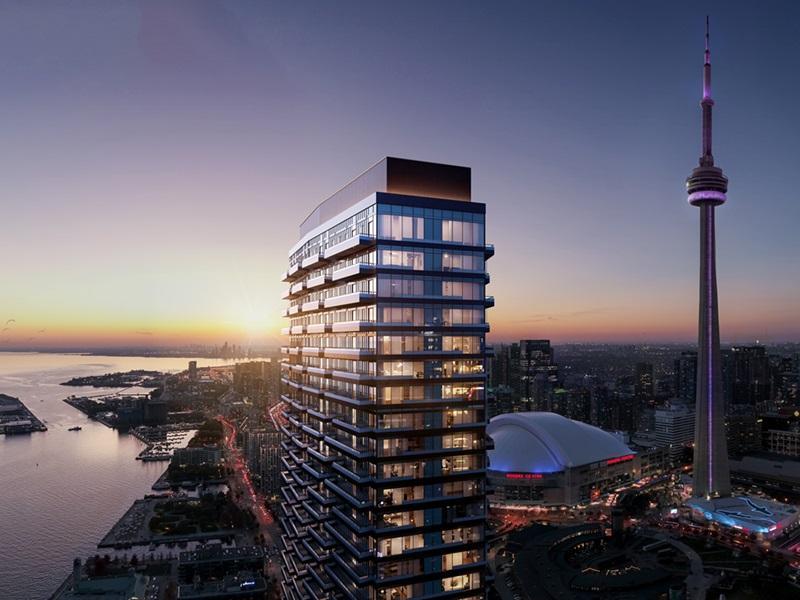
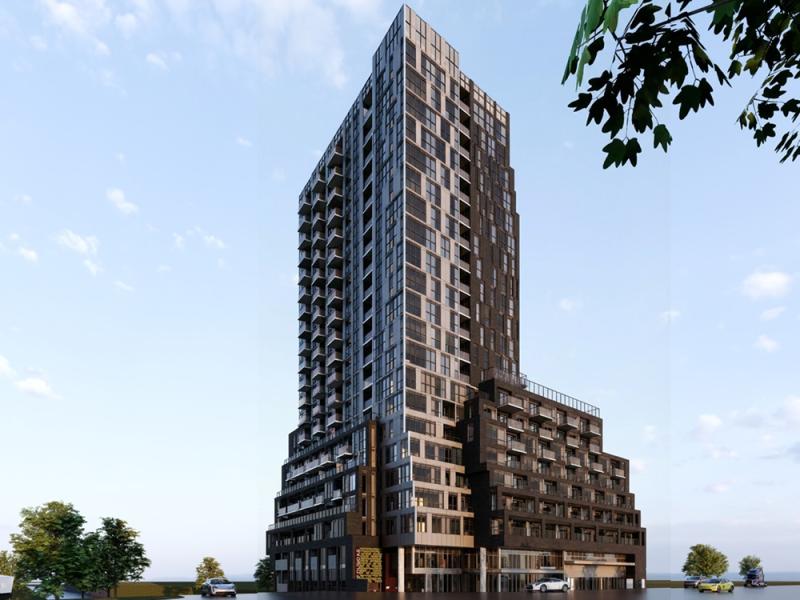
Lifetime Developments principal Brian Brown talked about Q Tower, a 60-storey, 980-unit condo at 200 Queens Quay W. in downtown Toronto that broke ground in January and is scheduled for completion in early 2030. Being developed with DiamondCorp, it's about 78 per cent sold.
More than $640 million will be spent across trades, consultants and Canadian suppliers to build Q Tower, Brown said. There will be $295 million in city-building contributions, including development charges, park land, education levies, municipal land transfer taxes and fees.
Q Tower will generate $10 million in property taxes during construction and $6.7 million annually in the first decade after completion, according to Altus Group.
“If we're not encouraging growth to happen, then we've got a real issue coming up,” Brown said.
2030 housing crunch
Condo construction starts in the Greater Toronto Area (GTA) fell by 88 per cent from 2022 to 2025. Brown illustrated that, even if a 50-storey, 650-unit condo launched today in this slow sales environment, its first units wouldn’t be delivered until 2032.
There were almost 30,000 condo unit completions in the GTA last year and well over 20,000 will be delivered this year, causing an oversupply. That inventory will eventually sell and the lack of new development will cause a housing crunch to begin the next decade when completions are expected to dip below 3,000.
“Policy is not doing enough right now to encourage development to restart or continue,” Brown said. “We're starting to see a little bit of an uptick in lowrise development that's related a lot to the HST (harmonized sales tax) rebate that was announced."
Brown added, however, there’s still confusion about the policy and developers haven’t been told how to implement it.
The tax break runs through March 1, 2027 for new construction homes priced up to $1 million.
“A lot of people have the sentiment that investors are bad and end-users are good,” Brown continued later. “You need people that want to invest and understand that their money is locked in for five years.
“In five years, hopefully that asset has appreciated and they have an opportunity to rent their unit and make money, and the rental numbers help support the mortgages that they may have.”
Watch for Part II of this article, with additional development case studies and insights. It's to be published on Tuesday, May 19.


 Industry Events
 Locations
