
 Locations



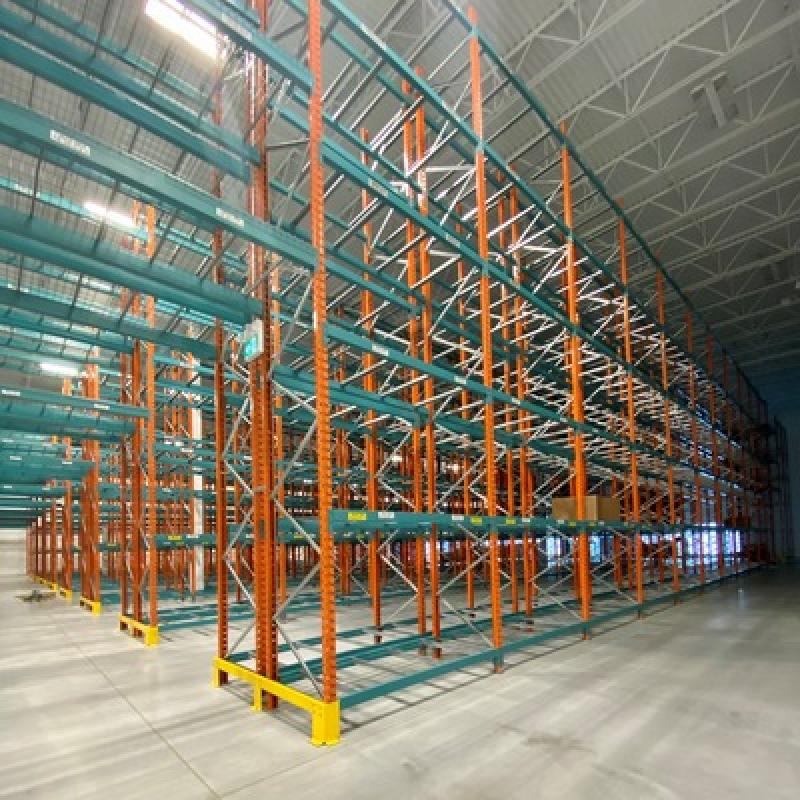
Walk through enough second-generation industrial spaces and you will notice a pattern. The previous occupant is gone, but their racking is still standing. Sometimes it sits in a sublease offering with months left on the term. Sometimes the landlord has kept it in the hope that it helps the next deal as a value incentive.
For the incoming tenant, the appeal is obvious. The racking is already there, already anchored and, at first glance, ready to load. For agents, it can turn a vacant building into a turnkey offering.
But racking is a structural system, not furniture. Who designed it, when it was designed and by what standards, how it has been used and what has happened to it since it went in all matter significantly. So does whether it even suits the next occupant's product mix, pallet dimensions, equipment and fire protection requirements. Before anyone treats inherited racking as a bonus, it is worth asking a simple question: is this a bonus asset, or a liability sitting in wait?
The case for keeping it
When it fits, inherited racking can be a real advantage.
- Lower upfront cost. Even after inspection, repairs and some reconfiguration, reusing a sound system usually costs far less than buying and installing a new one.
- Faster occupancy. New racking means design, engineering, permits, manufacturing and installation. Existing racking can cut weeks or months from that timeline, which matters when a tenant is under pressure to get operating.
- Proven floor performance. A system that has been anchored and loaded for years has already shown how the slab handles it, although that is not a substitute for checking the new loads.
- A stronger marketing story. For landlords and sublandlords, racked space can stand out in a crowded listing set and appeal to tenants who need to move quickly.
The key words are "when it fits." Every one of these benefits depends on the racking being sound, documented, compliant and suited to the new operation. As racking standards and permitting requirements continue to evolve, older systems are less likely to meet every one of those tests, so the older the racking, the more closely it needs to be checked.
Where the liability hides
The risks with inherited racking rarely show up on a quick walk-through. They tend to fall into six areas.
1. Damage nobody reported. Forklift impacts are the most common cause of rack damage. A bent column, a twisted brace or a beam with a missing safety lock can reduce capacity well below the original design. Outgoing tenants have little reason to flag damage, so years of small hits can add up without ever being recorded.
2. Missing load and design information. Every system is designed for specific loads, beam elevations and configurations. If the drawings, engineering and load signage are gone, the new occupant cannot confirm what the racking is rated to hold. If beams have been moved since installation, the original capacities may no longer apply.
3. Permit and approval gaps. Racking that was never permitted, or was changed after approval, can become the new occupant's problem when they apply for their own occupancy or alteration permits. In Ontario, installing or modifying racking can also trigger a pre-start health and safety review. Other provinces have their own building and workplace safety rules for storage racking, and many municipalities require permits and engineered drawings for taller systems. Requirements differ by jurisdiction, so occupants should confirm what applies where the building sits before assuming inherited racking is approved for their use.
4. Fire protection that no longer matches. Sprinkler design is tied to what is stored and how high. A system that worked for one tenant's commodity may not be acceptable for the next. Higher storage, plastics or different packaging can require sprinkler upgrades or in-rack sprinklers, which can quickly erase any savings.
5. A layout that fits someone else's business. Aisle widths are set for a specific fleet of lift trucks. Beam heights are set for a specific load profile. If the new tenant runs narrower-aisle equipment, taller loads or a different pick strategy, they may end up paying to take apart much of what they inherited.
6. Unclear ownership. Racking may belong to the outgoing tenant, the landlord, or a lender or leasing company that financed it. If ownership is not settled in writing, the incoming tenant can end up using equipment it does not own and may be asked to return or pay for.
A due diligence checklist before signing
Treat inherited racking the way you would treat a roof or HVAC system: get it inspected before the deal is firm, not after the keys change hands.
- Commission an independent rack inspection. A qualified inspector should assess damage, plumbness, anchors, base plates, beam locks and frame condition against CSA A344, the Canadian standard for steel storage racks.
- Ask for the paper trail. Request original drawings, engineering, load capacity information, permits and any previous inspection reports. Gaps should be priced into the deal.
- Confirm the slab can carry the new loads. If the incoming tenant will store heavier product or change the layout, the floor slab needs to be checked against the new point loads.
- Have the fire protection reviewed for the new use. Share the incoming tenant's commodity and storage heights with a fire protection engineer before committing to the existing layout.
- Test the layout against the operation. Compare aisle widths, beam elevations and bay sizes with the tenant's lift trucks, pallet sizes and throughput needs.
- Verify who owns it. Get written confirmation of ownership and check whether the racking is subject to a lease, financing arrangement or registered security interest.
- Get a repair and reconfiguration estimate. Knowing the cost to bring the system into shape is what turns "free racking" into a real number you can negotiate with.
Putting it in the deal
Inherited racking should be dealt with in the documents, not on a handshake. A few points deserve attention in the offer, lease or sublease.
Ownership and transfer. State who owns the racking at the start of the term and who will own it at the end. If it is being transferred from the outgoing tenant, document the transfer and confirm it is free of any financing or security interest.
Condition and repairs. Tie the deal to an inspection, and agree on who pays to fix what the inspection finds. Repairs completed before occupancy are far easier to negotiate than defects discovered after loading begins.
Ongoing responsibility. Clarify who is responsible for annual inspections, damage repairs and keeping load signage current during the term.
End of term. Spell out whether the racking must stay, may be removed or must be removed, and who pays for anchor hole and slab repairs. A tenant that inherits racking should not be surprised by a removal bill it never budgeted for.
Legal and lease structures vary by deal and province, so tenants and landlords should have their own counsel review these provisions.
For landlords and agents: making racked space an asset
Landlords and listing agents can do a lot to make existing racking a selling point rather than a question mark.
- Inspect before you list. A current inspection report shows prospects the system has been looked after and lets you fix problems on your schedule, not in the middle of a negotiation.
- Keep a racking file. Drawings, load information, permits and inspection history should travel with the building, not leave with the tenant.
- Be clear about what stays. Marketing materials should state whether the racking is included, its approximate configuration and its ownership status.
- Be honest about fit. Racking built for one operation will not suit every prospect. Offering to remove it, or to credit a reconfiguration, can keep a deal moving with a tenant who needs something different.
- Plan for it at move-out. Lease language that requires outgoing tenants to leave racking in good, documented condition, or to remove it properly, protects the next deal.
The bottom line
Inherited racking is not good or bad in itself. Sound, documented racking that suits the incoming operation can save money and time and help a deal close. Damaged, undocumented or poorly matched racking can turn into a repair bill, a permit delay or a safety risk that now belongs to someone new.
The difference comes down to asking the right questions before the deal is firm. An inspection, a document review and a fit assessment cost little compared with what they can uncover.
North American Steel (NAS) helps tenants, landlords and agents assess existing racking, from inspections and repairs to reconfiguration and full redesign. To learn more, visit naseco.ca or contact the NAS team to discuss a specific building.


 Industry Events
 Locations