Locations
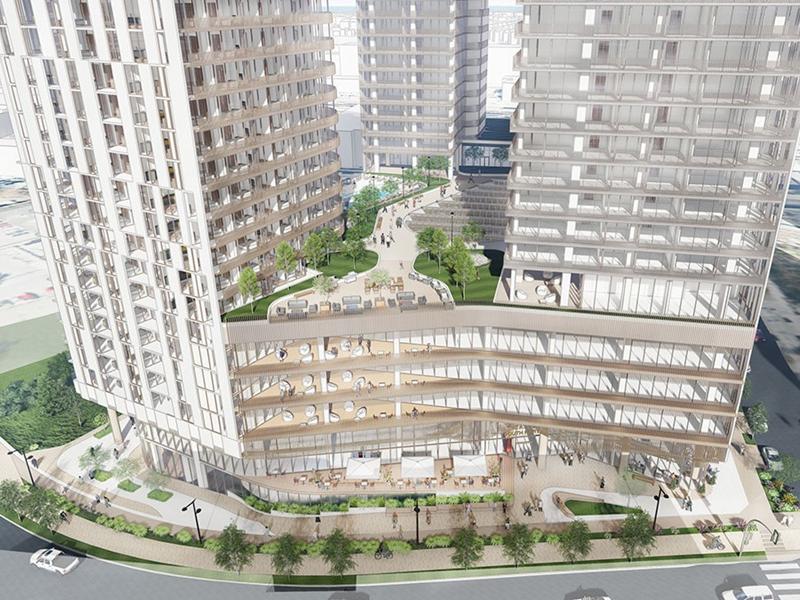
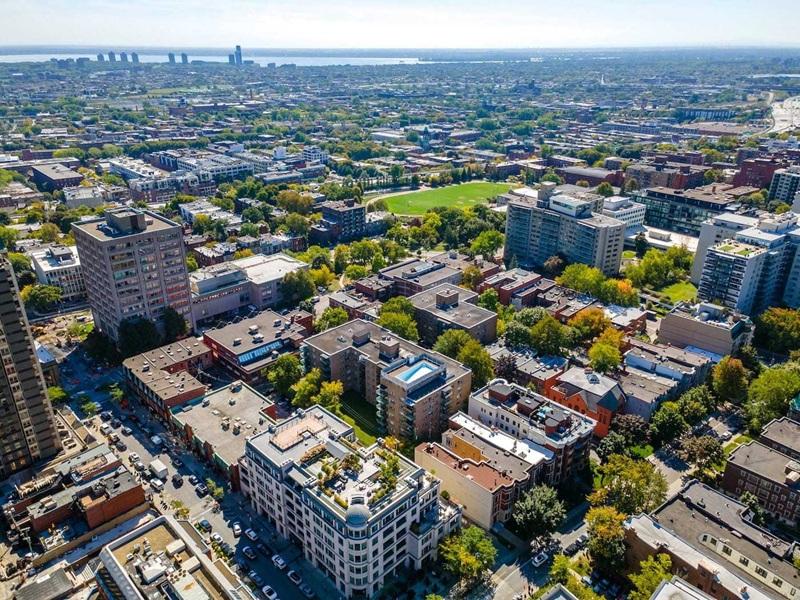






GUEST SUBMISSION: Over the past two decades, condominium development has dominated Toronto’s housing landscape. It shaped our skyline, fuelled growth and, particularly in the last decade, became the city’s de facto rental supply through an investor-driven, shadow rental market.
Today, that model is faltering. Rising construction costs, tightened financing, slower absorption and changing demographics have collectively forced a market reset. In its place, purpose-built rental and rental infill are emerging as the most viable path forward.
This shift has unlocked a critical opportunity: projects originally conceived, approved and designed as condominiums are being reconsidered as long-term rental communities. Condo-to-rental conversions are quickly becoming a defining condition of the current development cycle, and they demand a fundamentally different way of thinking about design.
With the right lens, architects can help developers navigate uncertainty and reposition stalled or struggling projects into resilient rental assets that respond to today’s market realities.
The difference is intent, not tenure
At its core, the difference between condominium and rental development is not tenure, it’s intent.
Condos are largely designed to be sold before they are lived in. Rental buildings must perform every day, for decades. This distinction changes everything.
In a condominium, density and saleable square footage drive value. In rental, they often do not.
A one-bedroom unit will typically rent for the same price whether it is 550 or 700 square feet, which means the number of units and how well those units perform matters more than square footage alone. Efficiency, livability and long-term performance matter far more than squeezing in additional units.
When residents experience space in real life, not through a marketing floorplan, the shortcomings of overly compressed layouts become immediately apparent. As a result, successful rental conversions often start from the inside out: unit mix, suite livability, daylight access and repeatability become the primary drivers of form – as indeed they should, rather than the other way around.
Repeatability and livability matter
Across recent condo-to-rental conversion projects, several consistent patterns are emerging.
First, repeatable suite types matter. Minimizing variation creates a consistency of quality, improves construction efficiency, simplifies and makes maintenance more predictable all while supporting long-term operations.
Second, exterior bedrooms with access to daylight are becoming a non-negotiable expectation in a competitive rental market.
Third, larger, better-proportioned rooms, rather than marginally smaller, more numerous units, support lower vacancy and stronger absorption over time.
These shifts often result in fewer suites per floor and, in some cases, broader, more bar-like building forms rather than compact tower plates. While this may run counter to long-standing planning preferences, our experience is that municipalities are increasingly recognizing the value of improved livability.
In some cases, they are willing to support modest increases in height to offset reduced unit counts when projects clearly deliver better housing outcomes.
Amenities that support daily life
Amenity space has long been a sales tool in condominium projects: flashy, image-driven and often underused after occupancy.
Rental buildings require a different approach. Here, amenities are less about spectacle and more about daily utility and social connection. Co-working lounges, shared laundry and social spaces, bookable rooms and flexible common areas all support community-building and resident retention.
When designed well, these spaces contribute directly to operational success by fostering long-term tenancy rather than short-term appeal.
We are also seeing rental developers rethink leftover or “back-of-house” spaces as revenue-generating opportunities, including rentable storage and flexible bicycle rooms that can adapt over time. These moves improve both pro forma and building performance without compromising livability.
Designing for institutional expectations
Another defining characteristic of rental conversion projects is uncertainty around long-term ownership. Some developers intend to hold assets indefinitely; others plan to stabilize and sell to institutional buyers within a defined fund lifecycle.
In both cases, buildings must be future-ready. Institutional investors increasingly expect strong performance across sustainability, accessibility and durability metrics. This means that rental buildings must meet, not today’s standards, but those anticipated five or 10 years from now.
Higher energy performance targets, robust envelope systems, low-maintenance materials and durable finishes are no longer optional; they are prerequisites for long-term value.
Unlike condominium projects, where many decisions can be deferred until after presales, rental developments require earlier and more deliberate design resolution. Front-loading decision-making provides clarity of execution in leading design teams, reduces operational risk and ensures that buildings can perform as intended from Day One.
Rental buildings are, by definition, long-lived.
As demographics shift, so too must the housing they contain. Increasingly, developers are asking whether rental projects can accommodate larger households, multigenerational living, or future unit amalgamation. Strategic structural planning, thoughtful placement of services and modular thinking around suite layouts can allow buildings to evolve over time.
The ability to reconfigure units without major structural intervention transforms adaptability into a long-term asset rather than a future liability.
As the GTA housing market continues to rebalance, these conversions will play a critical role in delivering much-needed supply. Done poorly, they risk becoming compromised assets. Done well, they can become some of the most resilient and livable buildings in the city.
Housing that can evolve over time
For decades, the city’s housing model was shaped by condominium speculation and investor demand. The shift toward rental-first development signals something more mature: a recognition that housing must function as long-term urban infrastructure.
Condo-to-rental conversions are one of the clearest expressions of that transition. They offer a practical way to unlock stalled projects, deliver new homes and rethink how buildings serve residents over time.
If approached thoughtfully, these projects can help move the GTA toward a more stable and resilient housing system – one where design, development and long-term stewardship are aligned from the outset.
For architects, this moment requires understanding financial drivers as deeply as spatial ones, engaging early with feasibility and advocating for design decisions that prioritize longevity. Most importantly, it asks us to refocus on the people who will live in these buildings, not just buy them.


 Industry Events
 Locations