Locations





Kentucky-based Flagship Communities Real Estate Investment Trust (MHC-U-T), the only Toronto Stock Exchange-listed REIT that provides geographic diversification and exposure to manufactured housing communities (MHCs), continues to also quietly provide steady returns.
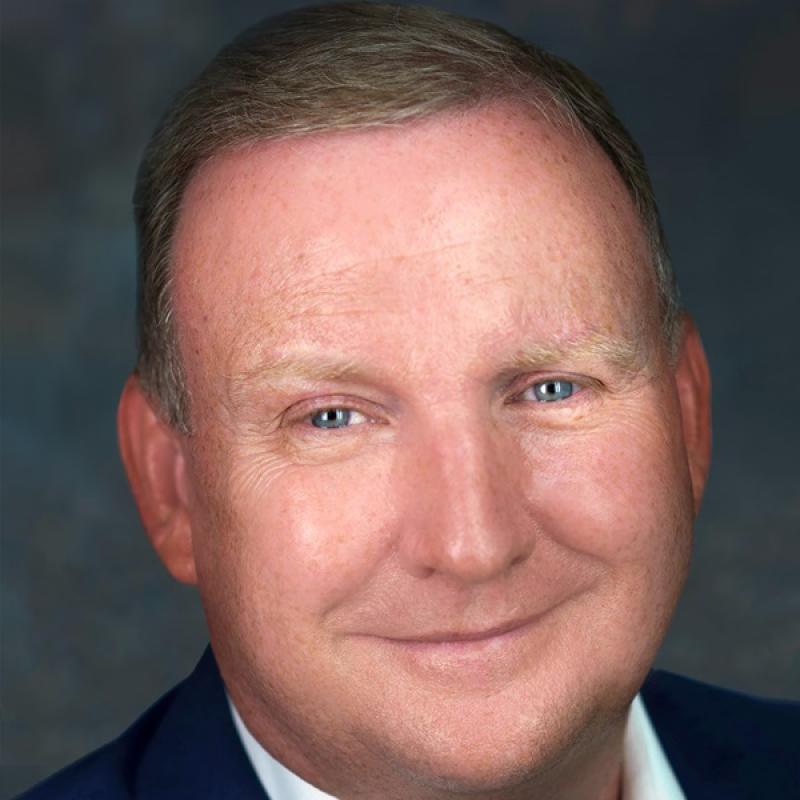
President and chief executive officer Kurt Keeney co-founded Flagship with chief investment officer Nathan Smith in 1995 with the development of a 152-lot MHC in Warsaw, Ky. They quickly purchased an income-generating, value-add MHC to help pay for the first property and have continued adding to their portfolio ever since.
The company grew to own 44 MHCs through the help of two rounds of private equity financing before it looked at options to go public. Flagship had about $450 million (all figures in U.S. dollars) in assets at the time, which wasn’t enough for an initial public offering in the United States, but it secured a Canadian listing in 2020.
The portfolio is now up to 85 MHCs with 16,450 lots and two recreational vehicle resort communities with 470 sites in suburban areas of Arkansas, Illinois, Indiana, Kentucky, Missouri, Ohio, Tennessee and West Virginia. The portfolio has a gross book value of $1.34 billion.
Keeney told RENX about 70 per cent of Flagship's stock is held by Canadian investors, including institutions.
“They want to be able to invest on the TSX, but they want some outside-of-Canada investment and they want asset class diversification,” he said, adding: “We've been cranking out five per cent distribution increases annually.”
Flagship’s revenue model
While Flagship has had people living in its MHCs on month-to-month leases for 30 years, just 10 per cent of tenants rent their homes and Keeney would like to see that number closer to five per cent. Most of those are existing rentals from communities acquired by Flagship.
Though Flagship owns the lots the manufactured homes are on and leases them, about 75 per cent of its tenants own their homes outright and have access to capital through multinational conglomerate holding company Berkshire Hathaway, which has a market cap of more than $1 trillion.
Flagship’s weighted average monthly rent for a lot was $483 in 2025, when it had a 99.2 per cent rent collection rate. It implemented a 5.7 per cent rent increase for 2026.
The predominant entry-level manufactured home has three bedrooms and two bathrooms and costs about $65,000, with residents making a 10 per cent down payment. Multi-sectional homes with up to five bedrooms cost in the $85,000 to $100,000 range.
The life expectancy for a new manufactured home is close to 50 years, according to Keeney.
Flagship’s manufactured homes are generally occupied by people who formerly lived in lower class apartment buildings and are looking for more space and a higher quality of life. Its communities generally offer a range of amenities that can include clubhouses, playgrounds, soccer fields, basketball and pickleball courts.
Positive financial and operational results
Flagship released its 2025 financial and operational information on March 9. Keeney said he's pleased with the results, which included 17.1 per cent growth in net operating income (NOI), to $68.4 million, and an NOI margin of 66.2 per cent. He’s optimistic about 2026.
Rising apartment rents and home ownership costs, as well as declining single-family residential home ownership rates, benefit Flagship. Meanwhile, the lack of new MHC supply, competing land uses and a scarcity of land zoned for MHCs has created high barriers to entry for new market entrants.
“Structurally, the REIT wants an annuity, some asset appreciation and to be slow and steady,” Keeney said. “This is a get rich slow business. We're not crypto.
“We're putting up very nice gains right now in the low double digits and high single digits, and we can continue to do that because we bought vacancy.”
Flagship’s occupancy rate was 82.9 per cent at the end of last year and the portfolio has a turnover rate of about six per cent.
“In Cincinnati, we bought three locations that were 70 per cent leased in the fourth quarter,” Keeney said. “That gives us the runway to give our investors returns for the next two or three years because we just need to lease those sites.”
Flagship’s debt and funding
Flagship had a debt-to-gross-book-value ratio of 39.2 per cent and a weighted average mortgage and note term of 8.2 years to close 2025.
Flagship’s primary funding source is life insurance company debt, followed by Fannie Mae (it has a credit facility with no cap), Freddie Mac and commercial mortgage-backed securities. It has no bank balance sheet debt and no variable debt.
“There are three main ways you're going to make your return with our company, starting with the rent increase of 5.7 per cent,” Keeney said. “I think occupancy will grow one to two per cent in home ownership, and that will drive the top line as well.
“And I think we'll end up getting some acquisitions, probably with the low end of $50 million and the high end of $100 million — all on balance sheet without issuing stock.”
Future growth prospects
Most of Flagship’s acquisitions are done off-market, either with private equity firms looking to recycle capital or one-off purchases from families which may have owned the MHCs for generations and are looking to cash out.
Flagship does some development, in the range of 50 to 100 lots annually, but it’s focus is on acquisitions.
“Don't buy my stock if you want me to develop,” Keeney quipped.
Keeney thinks Flagship can double in size in the next four to five years in the states where it already operates. He said there are some quality MHCs in Canada, but some are seasonal — which Flagship doesn’t work with. He’s also spooked by the prospects of rent controls in some provinces.
“I don't think that's the best for my shareholders today,” Keeney explained. “If I ran out of runway, it's a different conversation.”


 Industry Events
 Locations