Locations




Carlyle Communities has put a vacant multiresidential development site in Toronto’s Junction neighbourhood up for sale through TD Cornerstone Commercial Realty Inc.
Toronto-based Carlyle acquired the property at 6 Lloyd Ave. for $14.85 million in late 2017 through a power of sale process. The former employment land has since been permitted for residential use and remediated to residential standards and is ready for construction.
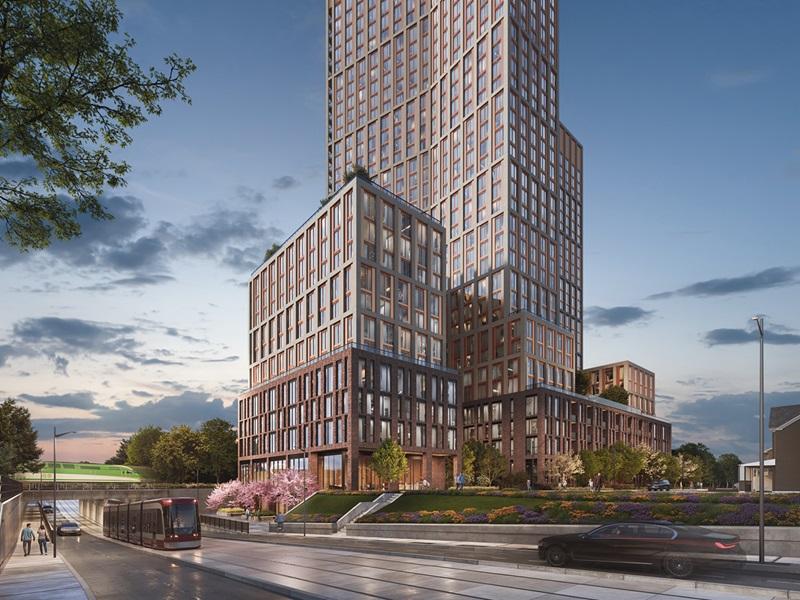
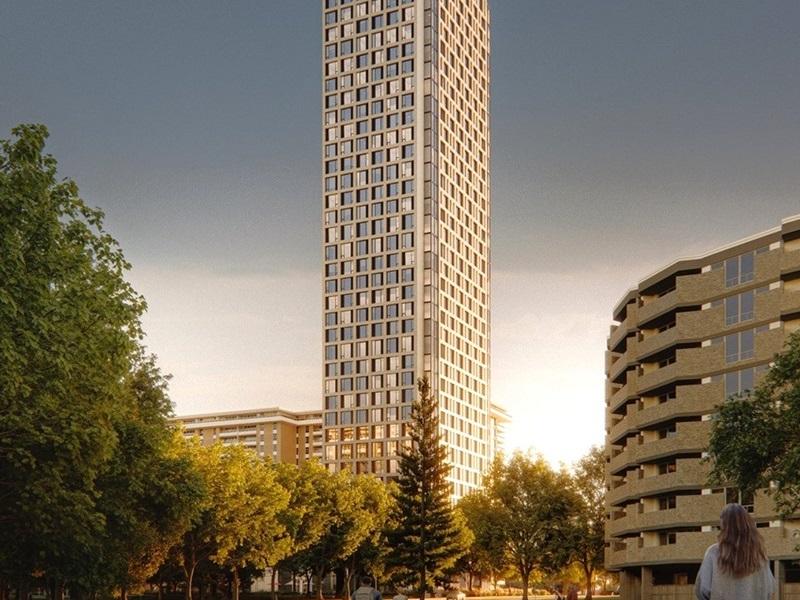
The 2.62-acre site is approved for two mixed-use residential towers comprising up to 850,348 square feet of gross floor area (GFA).
Carlyle is proposing a land severance and seeking a buyer for the proposed 1.4-acre south phase. That area of the site contemplates a 28-storey building with 288,914 square feet of residential GFA across 413 units and 203 underground parking stalls as well as 0.22 acres of parkland in the southwest corner.
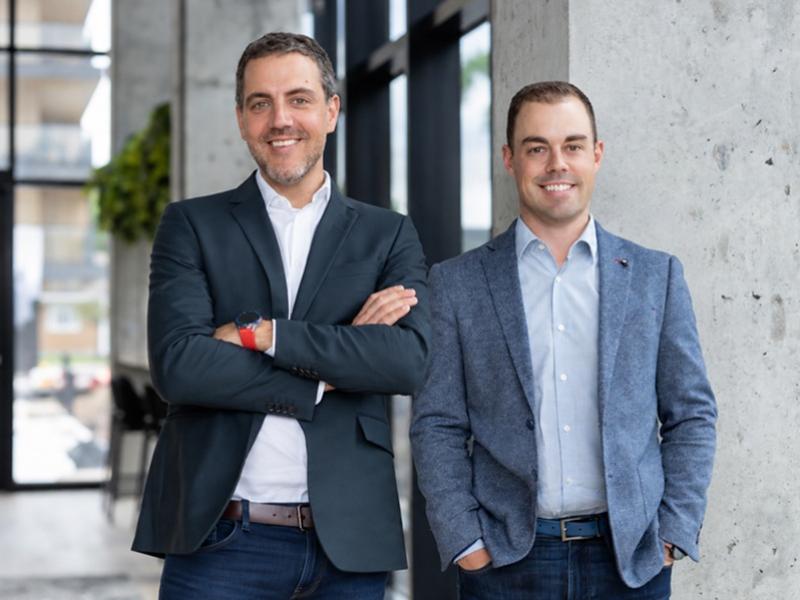
“Given the scale of the overall development and current market conditions, we believe there will be stronger demand today for projects with a more moderate development scale and reduced lease-up exposure,” Carlyle founder and president Naram Mansour wrote in an email interview with RENX.
“As such, we are proposing a phased approach. Severing the land creates greater flexibility for both Carlyle and potential development partners by allowing the site to be advanced in distinct phases. We have strong conviction in the long-term fundamentals of the node and are comfortable retaining an interest in a future phase of the development.”
Carlyle would, however, consider selling the entire 2.62-acre site if the appropriate offer came along.
6 Lloyd’s selling points
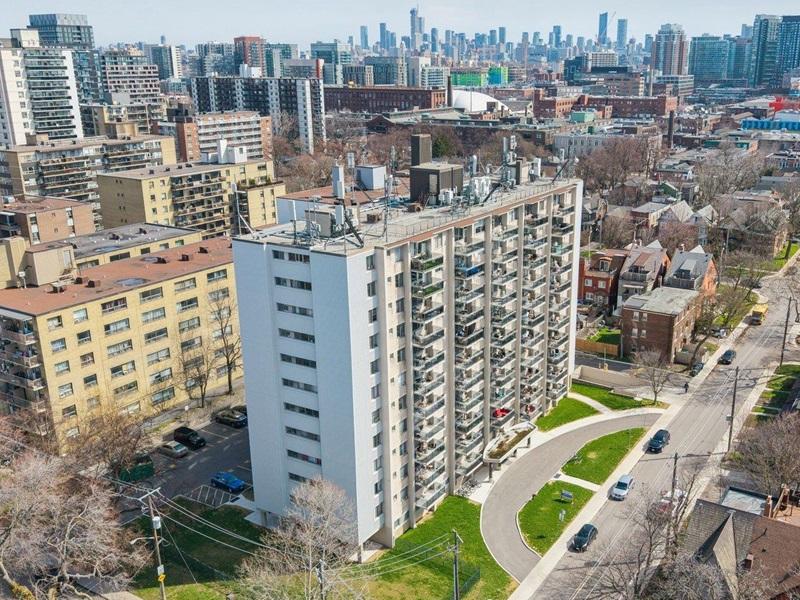
The 6 Lloyd site at the corner of Mulock Avenue is surrounded by established retail, dining, craft breweries, community amenities, schools and parks.
Development is anticipated to coincide with the completion of the St. Clair - Old Weston UP Express station, providing enhanced higher-order transit in addition to the existing Toronto Transit Commission streetcar service along St. Clair Avenue West and bus service along Keele Street.
A recently approved, site-specific Official Plan Amendment provides flexibility for the south parcel in requiring either a minimum of 37,674 square feet of non-residential GFA or 9,418 square feet of affordable housing, secured for a term of 99 years.
“From a broader market perspective, industry forecasts are pointing toward a significant decline in new condominium and rental completions over the coming years as a result of the sharp slowdown in development starts,” Mansour wrote. “Any project commencing construction in the near term is likely to deliver into a materially supply-constrained environment later this decade.
“At the same time, we are beginning to see meaningful moderation in construction pricing relative to peak levels, which we believe improves the feasibility outlook for well-located development opportunities. Combined with recently announced development charge relief measures, we believe the environment is becoming increasingly constructive for groups with a long-term investment horizon.”
Carlyle’s evolution and execution
Carlyle was founded 15 years ago with an initial focus on mid-rise urban development opportunities across Toronto.
“As the business evolved, we increasingly focused on larger-scale development opportunities where we believed there were meaningful advantages in scale, planning expertise, capital efficiency and long-term value creation,” Mansour explained.
“The firm’s experience spans a broad range of asset classes and development strategies, including full-cycle development projects such as townhouse communities and purpose-built rental developments, as well as large-scale rezoning and entitlement initiatives.”
Carlyle has developed, entitled and exited projects representing approximately 1.5 million square feet of GFA and 1,900 residential units.
Past projects
Carlyle developed and sold the seven-storey, 64-unit Beach Hill Residences apartment building at 763 Woodbine Ave. in Toronto and a 20-unit townhome community on Vellore Crescent in Mississauga.
The company completed entitlements for these Toronto properties before moving on from them:
- 6 Dawes, which was approved for 1,300 units in 39-, 37- and 29-storey residential buildings;
- Peter & Richmond, which was approved for a 42-storey, 435-unit residential tower;
- Bathurst & Richmond, which was approved for a 16-storey, 87-unit residential building;
- and a 9,400-square-foot property at 1056 Queen St. W. formerly occupied by a parking lot and automotive repair shop.
“Our focus has consistently been on identifying underutilized sites where we can create value through planning, entitlement and thoughtful repositioning of the assets,” Mansour wrote.
“Historically, our model has involved acquiring sites early in their evolution, advancing entitlements and then selectively partnering with institutional capital, developers or builders once the initial business plan has been successfully executed.”
Other active projects
In addition to 6 Lloyd, Carlyle has two other Toronto projects in pre-construction.
The company acquired properties at 33-37 Maitland St. in 2022 and subsequently received approval to build a BDP Quadrangle-designed 62-storey, 520-unit purpose-built rental.
Carlyle and Slate Asset Management acquired a site at 685 Lake Shore Blvd. E. in 2021 where they’re proposing BDP Quadrangle-designed 55- and 54-storey residential towers with a combined 1,589 units and a commercial podium.
Carlyle owns an income-producing 100-year-old, three-storey brick and beam building at 490 Adelaide St. W. that could be redeveloped in the future.
The company also owns a two-storey commercial building at 893 Yonge St. occupied by Klabb Studios and Run The Flex Dance Studio that has future redevelopment potential.
Mansour believes the market environment is creating some of the most compelling acquisition opportunities he’s seen in many years.
“Periods of market dislocation often create opportunities to acquire well-located assets at materially reset land values, particularly in situations involving covered land or sites requiring a longer-term investment horizon,” he wrote.


 Industry Events
 Locations