
 Locations
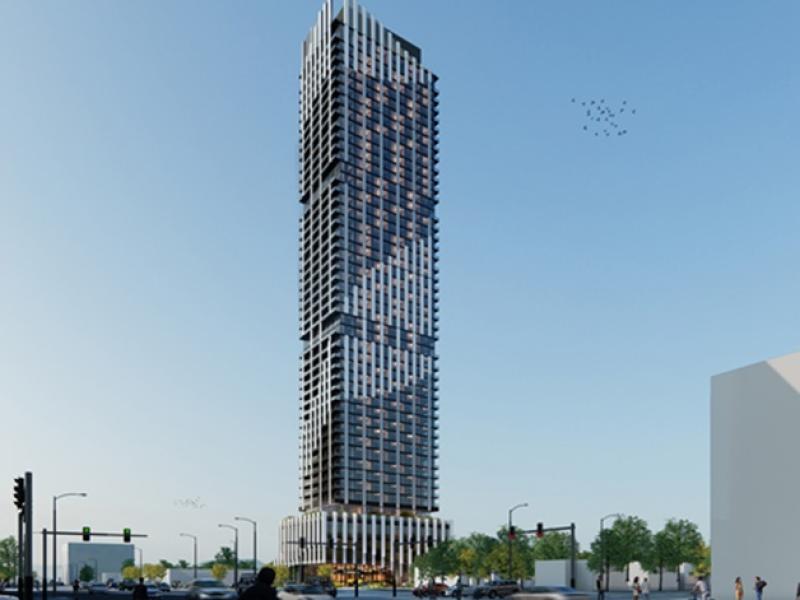






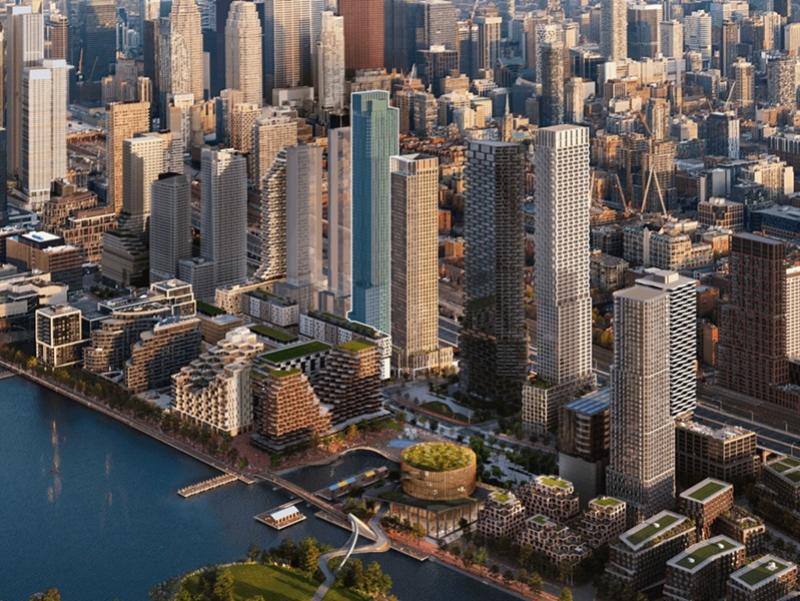
Dream Impact Trust (MPCT-UN-T) and its development partner in the Quayside Impact Limited Partnership have restructured ownership of Phase 1 of the massive, multi-tower Toronto waterfront project. Dream entities now wholly own the multifamily rental component.
“We are pleased to announce the completion of the Quayside partnership reorganization, which is a significant accomplishment at one of our milestone projects,” Michael Cooper, portfolio manager for Dream Impact Trust, said in a release accompanying its 2025 year-end financials Tuesday. “Collectively, the trust and Dream Impact Fund now own 100 per cent of the Phase 1 multifamily portfolio on a 25 per cent / 75 per cent basis.
“Upon completion, Phase 1 is expected to comprise 1,100 multifamily rental units, as well as approximately 550 affordable units to be developed in partnership with Waterfront Toronto and the City of Toronto.”
Dream and its partner, Toronto-based developer Great Gulf, were formerly 50/50 partners on both the rental and condo aspects of the first phase, Cooper said on the firm's conference call with investors late Tuesday. Now, Great Gulf owns the condo portion and Dream owns the rental component.
"As a result of that, we are able to proceed with CMHC to complete the funding for the development," Cooper said during the call. "We have some work to go there but it looks like we are in really good shape to be able to start that development prior to the end of the year.
"And that is a major development for Income Trust and Income Fund."
Financial details of the restructuring have not been released.
Phase I at Quayside
Similar to another major ongoing Dream multifamily known as 49 Ontario in Toronto, the trust confirmed Quayside has achieved development charge relief and qualifies for HST waivers – incentives being provided by local, provincial and federal governments to encourage rapid construction of rental homes to deal with a shortage of such housing.
The development plan for the first phase at Quayside, presented by Waterfront Toronto, the fund's parent firm Dream Unlimited and Great Gulf, was approved by city council in the fall of 2025.
Quayside is located in Toronto’s East Bayfront district, part of the Port Lands, and occupies a 12-acre site. It is bounded by Bonnycastle Street to the west and the Victory Soya Mills Silos to the east, stretching from Lakeshore Boulevard to Queens Quay East.
At full build-out the masterplan includes over 4,700 residential units – 800 affordable rental units – along with retail and commercial space with designated areas for entertainment, community care and cultural uses.
Phase I is to include a 66-storey highrise containing a mix of 725 market and affordable rental apartments, according to the master plan on the quayside.ca website. It would also include a series of midrise buildings with mainly affordable apartments, as well as retail and commercial components.
“This includes an impressive number of family-sized units – about 57 per cent of the affordable homes will be two, three and four bedrooms,” the website states.
Condominium tower on hold
A plan to also include condominiums in the first phase of the development is on hold due to the dramatic slowdown in the Toronto for-sale housing market - which has hit condo development particularly hard.
The first rental units are forecast to be delivered in approximately four years.
The overall plan for the western portion of the Quayside project includes four highrise towers, with a series of midrise buildings, parks, public spaces, retail and commercial components, redesigned roads and pathways.
In discussing both 49 Ontario and Quayside in its financials, Dream states: “With the ongoing challenges across the Toronto development market and significance of these projects for our clients, the advancements made are critical to the viability of both developments which will generate development fees for the company as the projects are built out and create value through our indirect interest.”
Dream is to act as the development manager for the entire project, though city documents state the affordable housing units are to be owned by the City of Toronto and managed in conjunction with non-profit housing agencies.


 Industry Events
 Locations