
 Locations





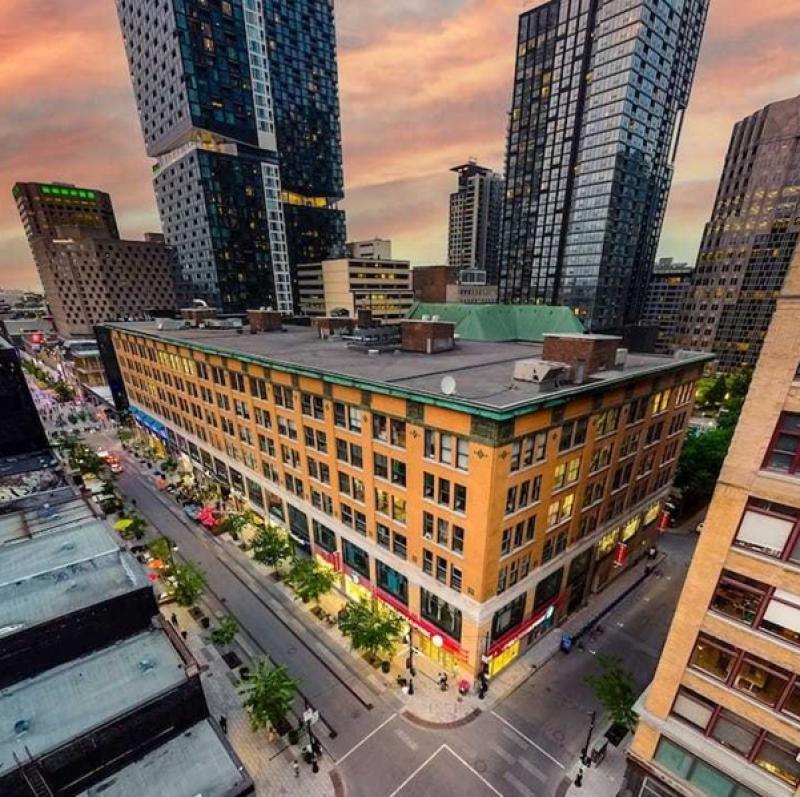
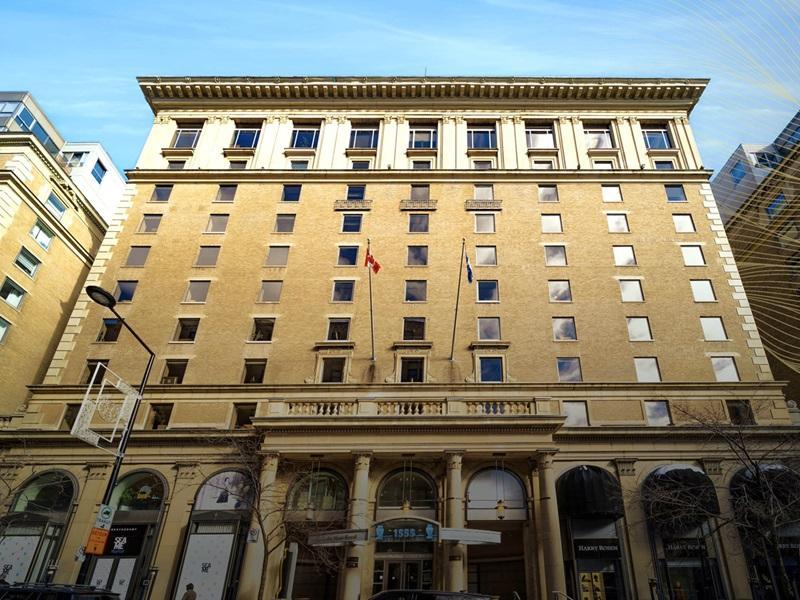
Avenir Immobilier has purchased the Belgo, a more than century old building in the heart of downtown Montreal’s entertainment district that is home to one of the largest concentrations of contemporary art galleries in the country.
The new owner is vowing to maintain the building’s current vocation, while carrying out several renovations to the 187,164-square-foot property at Ste. Catherine St. W. and de Bleury streets that comprises an entire city block.
“We see it as a diamond in the rough in the centre of Montreal’s Quartier des Spectacles,” says Frédérick Lizotte, vice-president of leasing at Avenir Immobilier.
Lizotte would not divulge the purchase price for the six-storey building at 372 Ste. Catherine but noted “it’s a downtown property so, nothing is cheap.” The city of Montreal evaluates the building at $38.165 million.
Avenir bought the Belgo for its “tremendous potential,” Lizotte says. Being home to 24 art galleries “is definitely a positive.”
Legacy as a creative hub
Aside from art galleries and studios, the building is home to creative businesses such as marketing agencies, architects, urban planners and dance studios, he says.
The previous owners, the Dubrovsky family, owned the building for about 55 years. “We intend to continue that kind of legacy – being an owner for a very long time.”
Avison Young handled the sale of the property, which went to market last year. “This is a stunning location, highly accessible by Metro and the REM McGill station that will thrive for a creative, visionary buyer who appreciates the artistry and heritage of the building,” Mark Sinnett, Avison Young’s principal, executive vice-president and head of capital markets, Quebec said in a statement.
Lizotte says fears expressed by some art galleries last year that they would be pushed out by new ownership are unfounded. “Our goal is completely the opposite. We would like to attract more art galleries. I think what’s really the strength of this building is the concentration, the energy of the art community. It’s a big, big positive. We would love to have more art and art galleries and the Belgo to be, like, the cultural destination of Montreal.”
Lizotte did not provide the building’s vacancy rate but notes some units have been vacant for several decades. “You go in and it’s like going into the past,” he says of the vacant units.
Avenir plans improvements that will honour Belgo's heritage
Avenir plans to invest heavily in the vacant units, common areas, windows and building systems, “while maintaining the charm of the building.” “We’re going to be spending some time with our architect and designer to really keep all the architecture of the building,” he says. “We’re not trying to look like a brand-new building.”
The heritage and planning consultancy Gris Orange is working on a heritage study of the building to help develop a vision for the redevelopment work.
Rent increases “will be very gradual and be aligned with maintaining the community and character of the Belgo. We’re not pushing anyone out. There’s enough vacancy in the building to attract new tenants.”
Lizotte says he intends to get feedback from tenants as to how the building can be improved.
In a statement, Anie Deslauriers, executive director of the Association of Contemporary Art Galleries, described the Belgo as “a key hub for the accessibility and recognition of contemporary art in Canada.” She expressed satisfaction that the new owner is “committed to maintaining its cultural mission and supporting the long-term viability of the galleries, artists’ centres and studios.”
Ground floor retail
The building’s ground floor is fully leased. It includes an RBC branch that Lizotte says is one of the top performing in the province, a Pharmaprix (Shoppers Drug Mart), restaurants and souvenir shops.
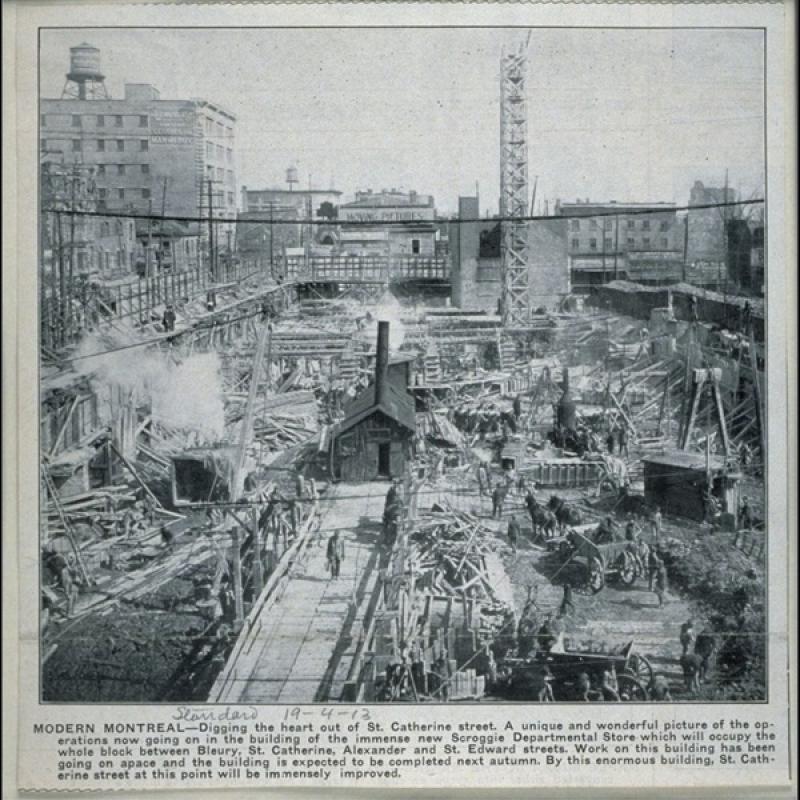
Completed in 1913 as one of the first reinforced concrete buildings in Montreal, the building originally housed a luxury department store known as Scroggie's.
From the 1920s to the 1980s, it was home primarily to companies in the garment industry. Artists began renting space in the Belgo in the 1980s.
“We like to acquire buildings that have vacancies, that are diamonds in the rough, that need some work, that we can add value over time, which is why this building completely aligns with our vision and our strategy,” Lizotte says.
He notes 1 Chabanel, a 600,000-square-foot building in the city’s garment district, was a similar type of acquisition for Avenir.


 Industry Events
 Locations