Locations

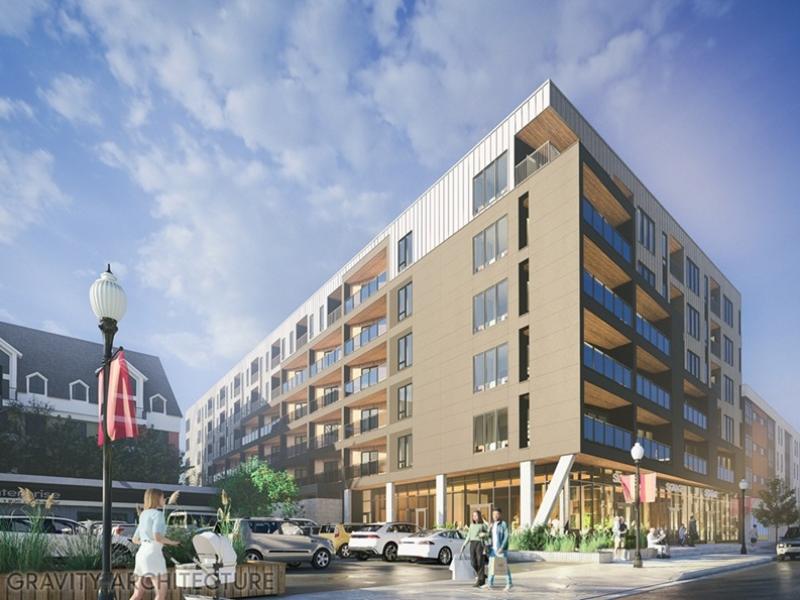



Thousands of newly completed and forthcoming condominium suites — including small, investor-driven units not designed for long-term end-users — are entering a generationally weak Greater Toronto and Hamilton (GTHA) market shaped by higher interest rates, constrained financing and cautious buyers.
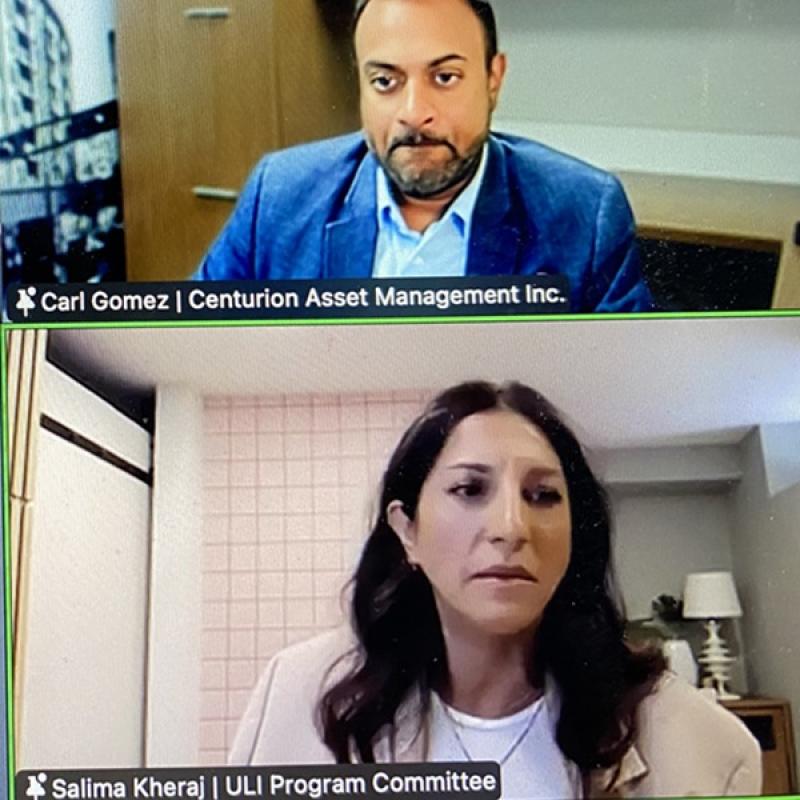
Urban Land Institute Toronto organized a recent webinar, hosted by FRAME Advisory founder and principal Salima Kheraj, to examine this inventory and what can be done with it. Things kicked off with a presentation by Centurion Asset Management chief economist and executive vice-president of research Carl Gomez.
“There was an irrational exuberance in the Canadian housing market that went on for the better part of two decades,” said Gomez in explaining how housing prices far outpaced income growth since 2002.
While there were house price corrections as a result of deleveraging in most countries following the “Great Financial Crisis” of 2008, household debt as a percentage of gross domestic product remained much higher in Canada than in the rest of the world.
Much of that was low interest rate mortgage debt and much of that went into condo purchases as the development of multi-residential buildings occurred at a much higher rate than for single-family homes. This also increased speculative buying from investors banking on prices continuing to rise.
The current market and future inventory
“As interest rates adjusted, not only did it deteriorate affordability but it also deteriorated the ability for a lot of these speculators to enter the market,” said Gomez. “That’s a big reason why the pre-sale activity that was used to drive demand has now fallen off a cliff.”
Zonda Urban vice-president of advisory for Canada Jasmine Cracknell-Young followed Gomez’s history lesson with an examination of the current condo market and an outlook for where things are going.
There were 285 condo unit sales and 1,094 townhome sales in the GTHA in the first quarter of this year.
Thirty-six per cent of new condo unit sales was standing inventory and the same percentage was in pre-construction. Twenty-three per cent was in the late construction stage and five per cent was in mid-construction.
Condo units with two bedrooms or more comprise more than 55 per cent of those that have been built but remain unsold, while small studios only represent four per cent.
“When we're seeing sales kind of pick up, a lot of it’s actually in the smaller units because it’s price-driven,” said Cracknell-Young.
There have been 1,710 condo-unit cancellations so far this year after 4,180 last year, but the highest year for cancellations of the last dozen was 2018 when there were 4,687. Of the 7,905 cancellations in 2024 and 2025, 28 per cent were converted to rental units, 25 per cent went into receivership or the site was sold, and the remainder were still to be determined.
There are expected to be 25,869 purpose-built rental and condo units completed in the GTHA this year. That number is anticipated to drop to 23,170 in 2027, 16,162 in 2028, 4,255 in 2029 and 2,135 in 2030.
Estimating inventory absorption
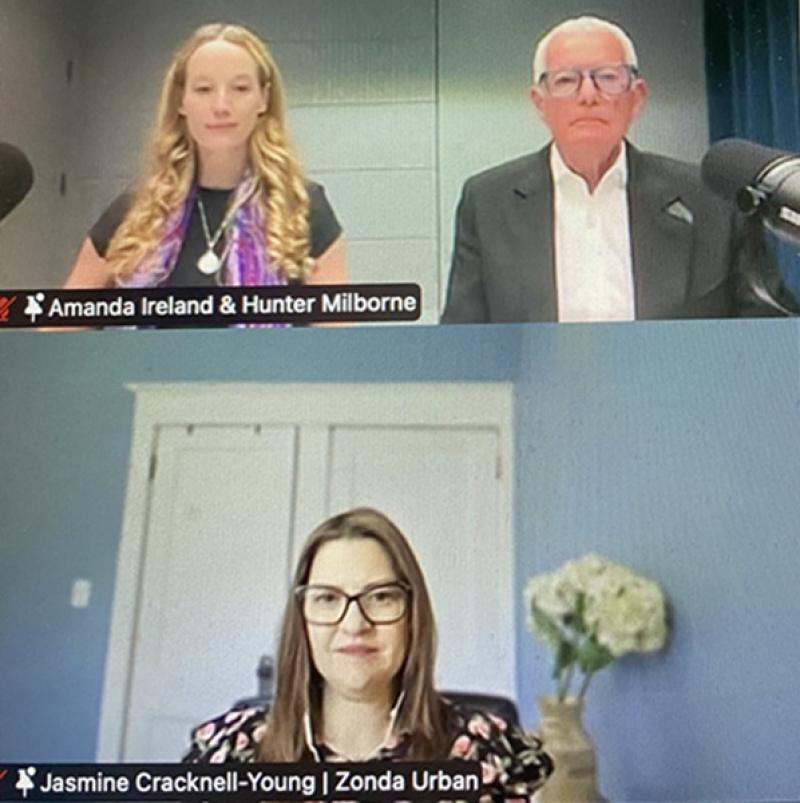
Osmington Gerofsky Development Corp. senior vice-president of sales, marketing and leasing Amanda Ireland interviewed her father, Milborne Group chairman and broker of record Hunter Milborne.
The pre-construction sales and consulting firm just marked its 50th anniversary and has been involved with more than $90 billion in sales and strategic realtor partnerships around the globe in that time. The real estate brokerage's founder provided perspective on past, present and projected future cycles for the local condo market.
Milborne harkened back to 1989 when, at then current absorption rates, it was expected to take 20 years to sell the available condo-unit inventory. Sales quickly picked up, however, and it took just four.
Milborne estimates it will take from two to four years to absorb the current standing inventory. He believes that investors accounted for about 70 per cent of condo-unit purchases over the past several years, with end-users buying the rest, but thinks that will flip to an 80-20 ratio in favour of end-users in the coming years.
Milborne is working with three condo projects in the 150- to 200-unit range in areas close to public transit that are expected to launch sales either this fall or early next year. The focus is on smaller buildings with larger units, with perhaps fewer amenities to offer better pricing.
First-time, bulk and foreign buyers
Milborne thinks it’s a good time for first-time buyers to enter the market and said many of them wait too long to do so.
He also noted that he’s working with groups looking to make bulk unit buys that are looking for pricing deals along with Ontario’s recently introduced 13 per cent harmonized sales tax rebate for new homes. He’s not sure they’ll get the discounts they’re seeking.
“Most of the vendors that I've seen, haven't been prepared to discount at all on the blocks,” said Milborne. “The groups that see their finish line in the next three to nine months aren't going to drop much below their current floor price.”
Milborne would like to see the foreign homebuyer ban, which is scheduled to expire on Jan. 1, 2027 unless it’s renewed, end as soon as possible.
“In a market that's strong, maybe it doesn't make that much difference,” he said. “But in a market that's down, it can make a lot of difference because it gets you to the finish line quicker so, you can start something else and create more jobs and more homes.”




 Industry Events
 Locations